Deep Cleaning (Scaling and Root Planing) for Gum Health
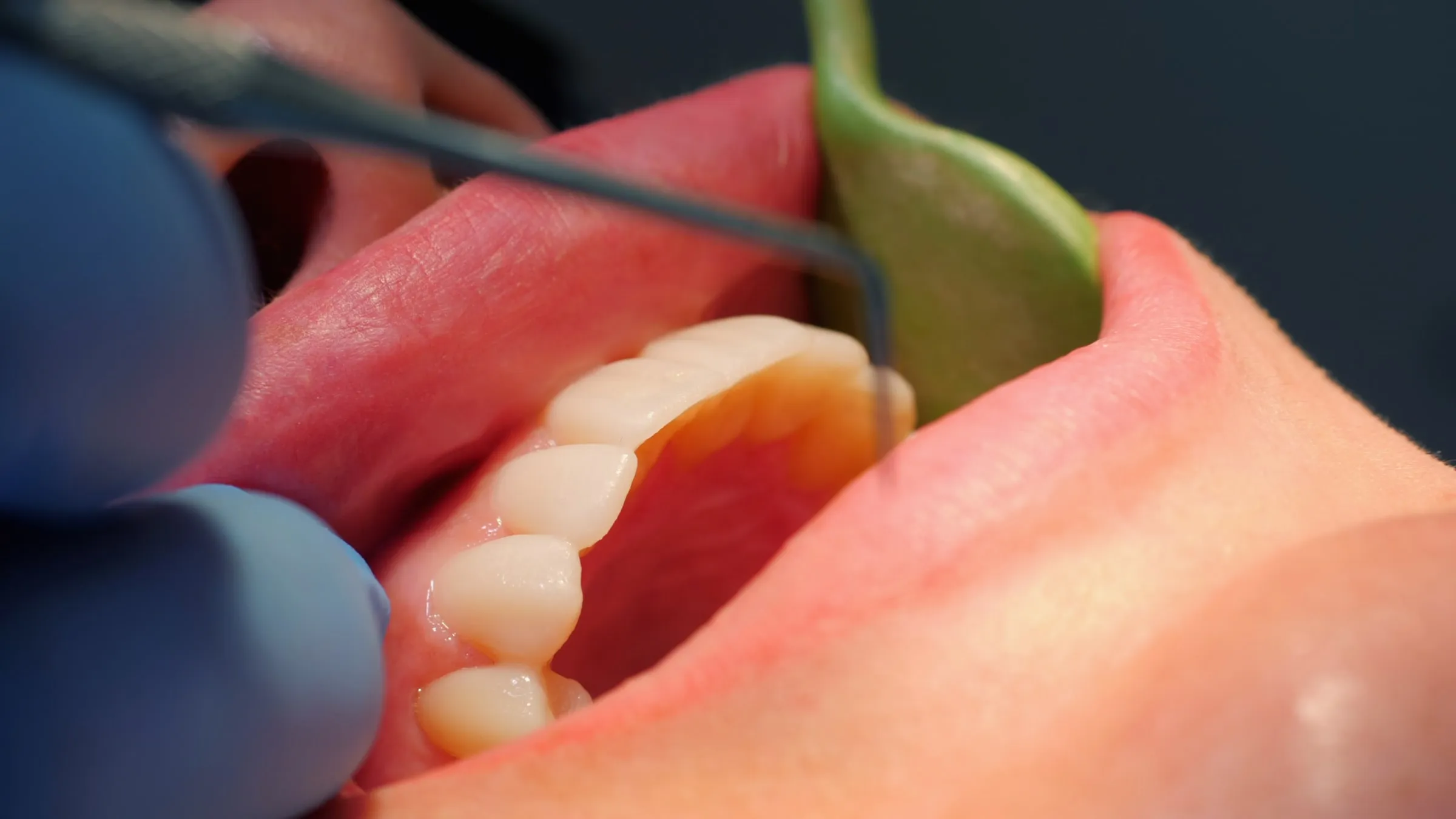
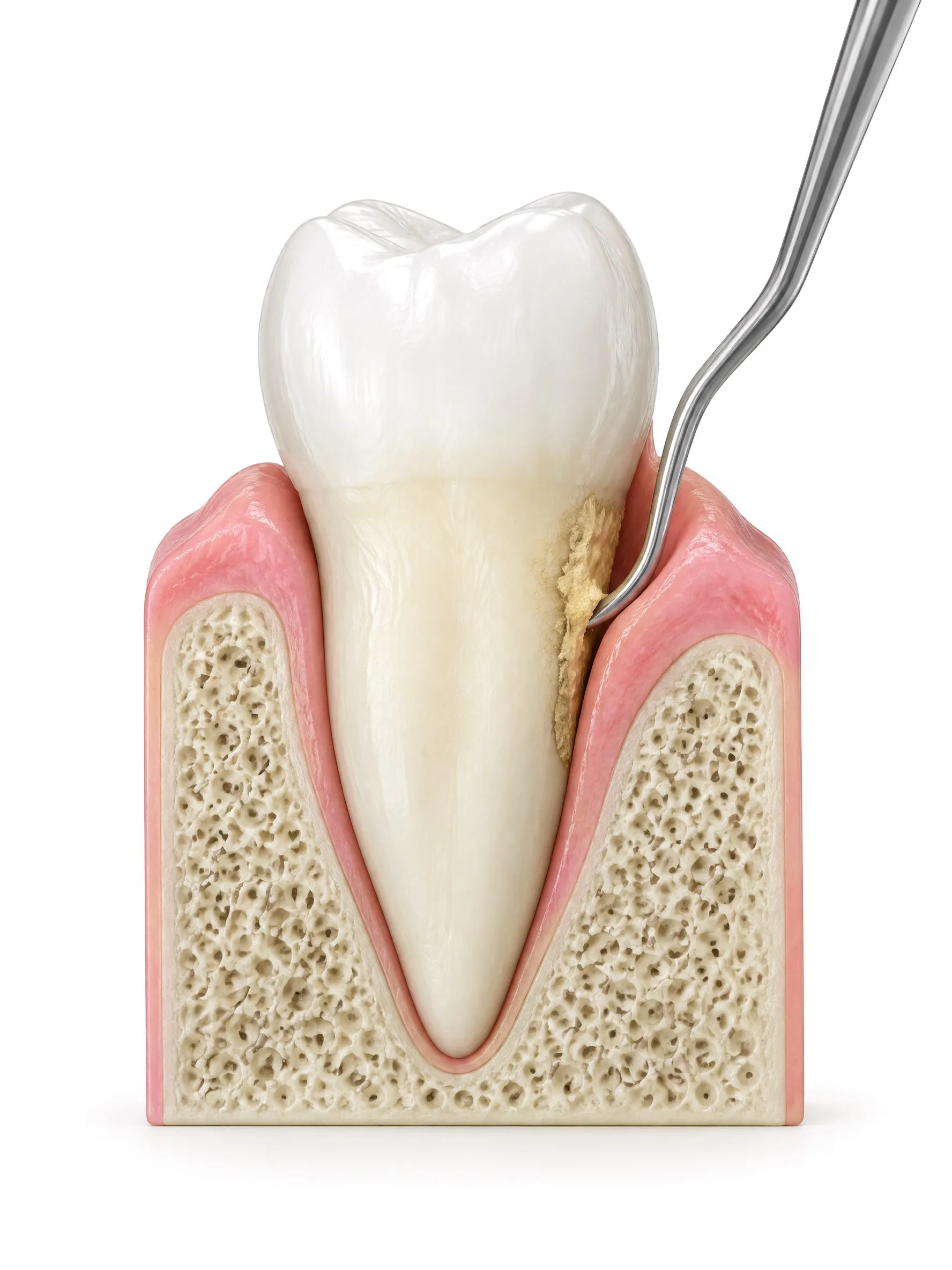
A deep cleaning, known clinically as scaling and root planing, is not just a longer version of a regular cleaning. A routine cleaning works above the gum line. This one reaches the root surfaces below it, where the deposits driving gum disease actually sit.
Smoothing those surfaces gives the gum tissue something clean to reattach to. Your dentist numbs the area first, and treatment is usually split across two visits so you are comfortable and not numb everywhere at once.
Scaling and root planing is the standard first treatment once pockets are too deep to reach any other way, and it is worth doing properly. Left alone, those pockets keep collecting bacteria, the bone around the tooth continues to shrink, and gums that were only bleeding end up loosening teeth. Most patients who come to us for a deep cleaning in West Bloomfield are here because a routine visit found measurements that had quietly slipped, not because anything had started to hurt.
At a Glance
Your Care at a Glance
Visits
Usually two, treating one side at each visit.
Comfort
The area is numbed first, so the procedure itself is comfortable.
Afterward
Gums can be tender for a day or two.
Next step
We recheck your gum measurements after healing and move you onto periodontal maintenance.
Who We Help
Is This Right for You?
A deep cleaning is recommended rather than chosen. These are the findings that lead to one.
Gum measurements show pockets deeper than a regular cleaning can reach
Your gums bleed heavily and have pulled away from your teeth
You have visible tartar built up below the gum line
It has been many years since your last cleaning
You have been told you have periodontitis rather than gingivitis
Your Visit
What the Appointments Involve
01
Charting the Pockets
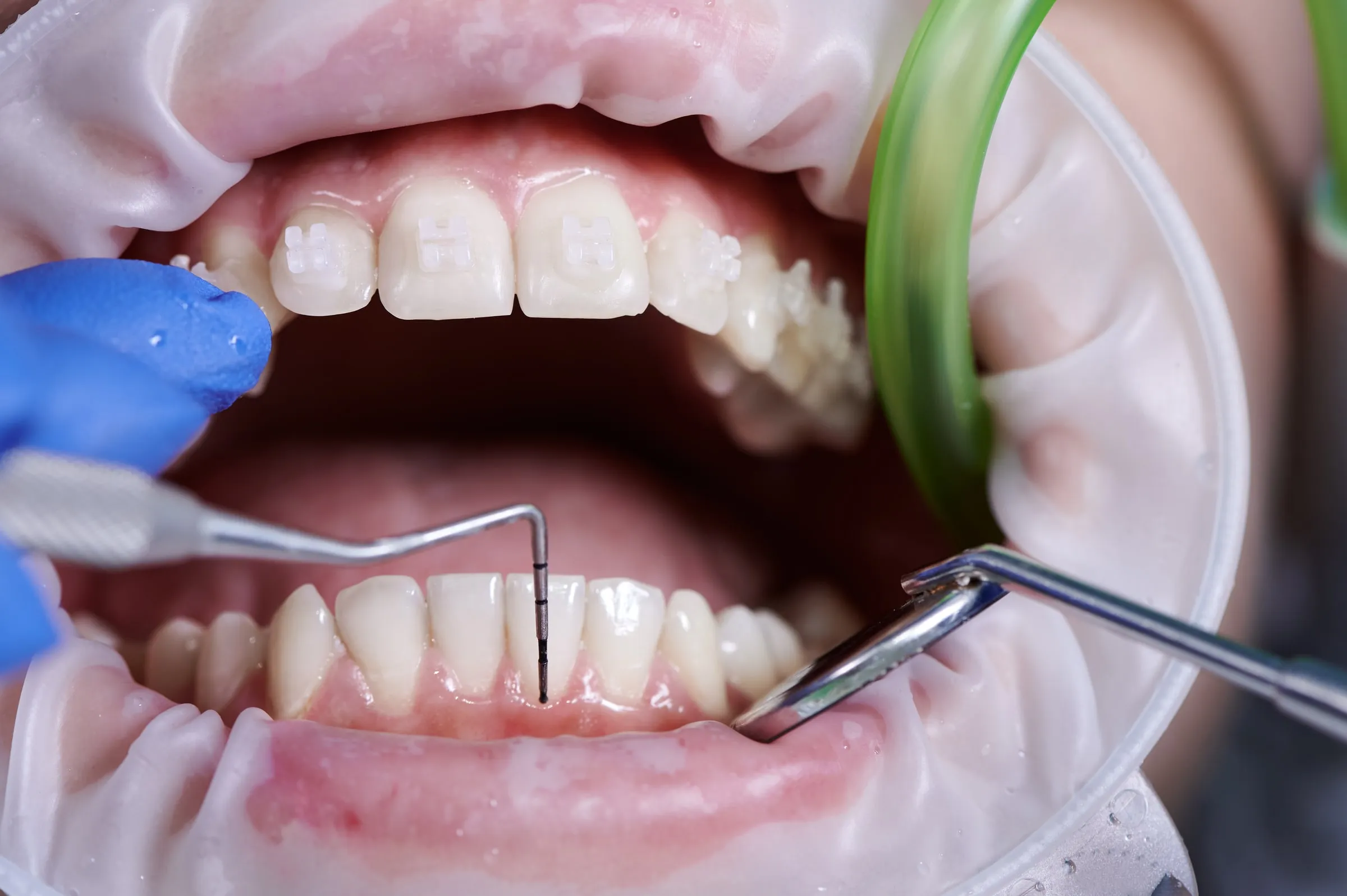
We measure around every tooth first, so we know exactly which areas need deep cleaning and which do not.
02
Numbing the Area
The section being treated is numbed. You feel the movement and the water, not the cleaning itself.
03
Scaling and Root Planing
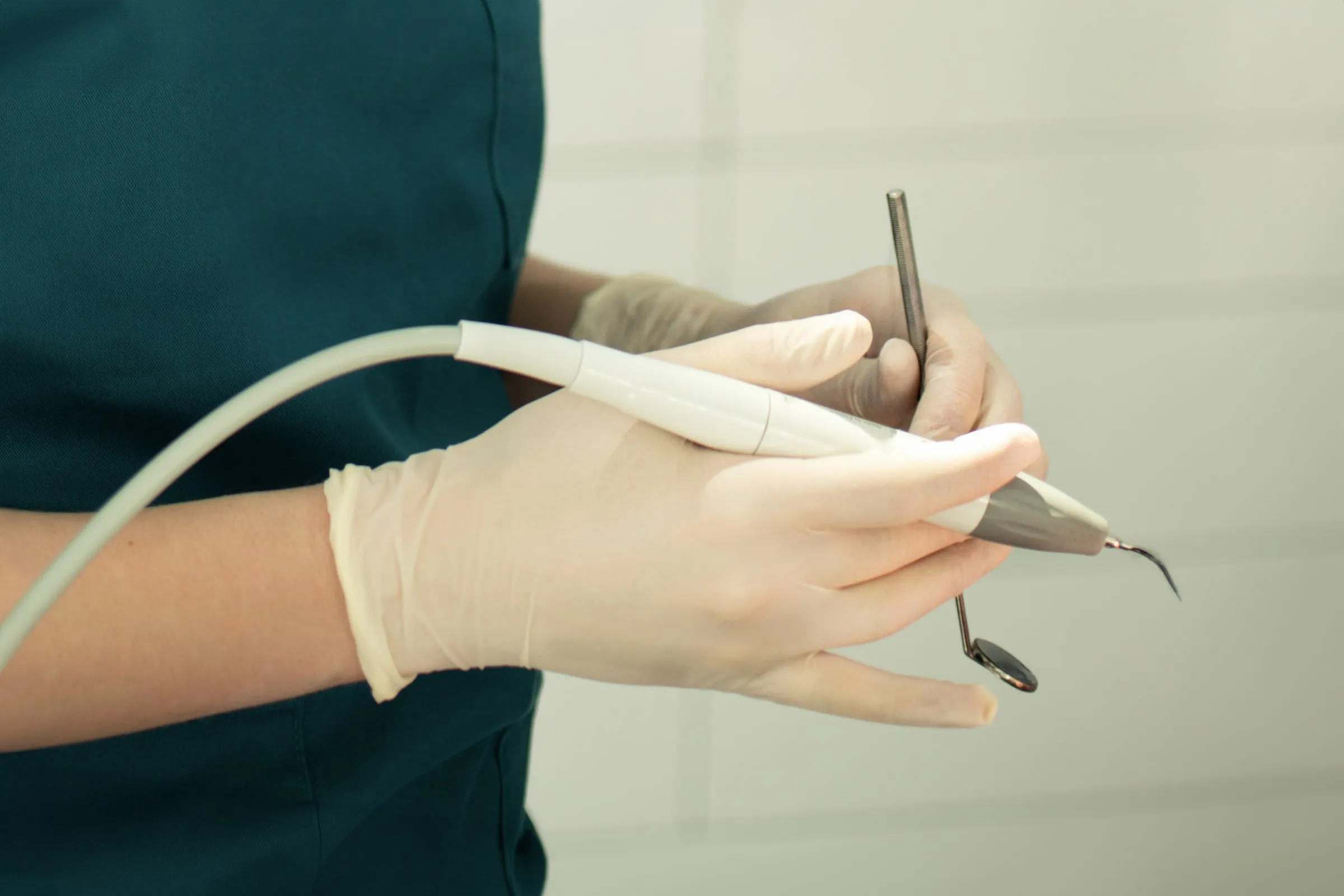
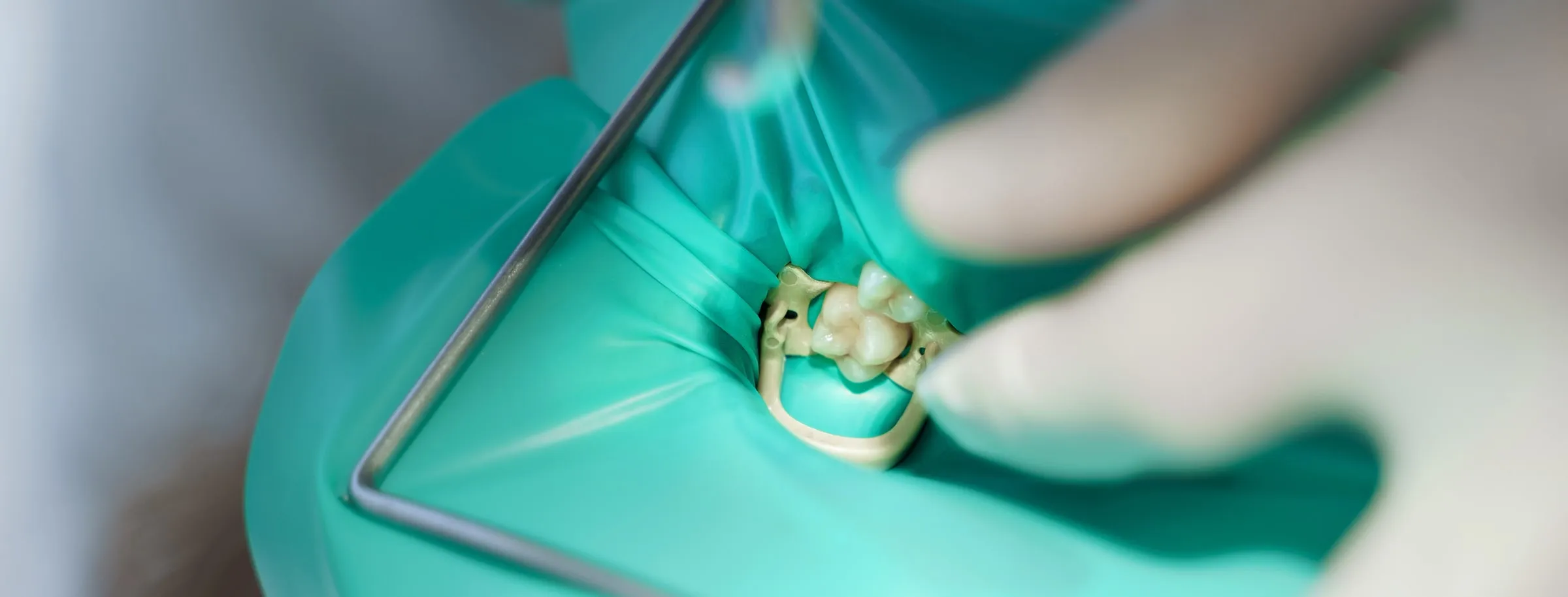
Hardened deposits are removed from the root surfaces below the gum line and those surfaces are smoothed so the gum can reattach.
04
Rechecking and Maintenance
We remeasure once the tissue has healed to confirm the pockets have reduced, then set the maintenance interval that keeps them there.
Your care here is provided by Dr. Manal Ismail, DDS, a general dentist who trained at the University of Detroit Mercy. Nothing starts until you understand what we found, why we are recommending it, and what your alternatives are.
New patients are usually seen within the same week.
Patient Reviews
What Our Patients Tell Us
★★★★★
Google Review
State of the art equipment
Dr. Ismail is so gracious and professional and honestly amazing at her job. They have state of the art equipment that makes cleanings a breeze. Honestly everyone I have ever interacted with at their office has been so kind.
LLaurie Y.
★★★★★
Google Review
Surprisingly comfortable
I usually get nervous going to the dentist, but this office made the experience surprisingly comfortable. Dr. Manal was thorough, gentle, and took time to answer all my questions.
What is the difference between a regular cleaning and a deep cleaning?
A regular cleaning works above the gum line. A deep cleaning, or scaling and root planing, treats the root surfaces below it where gum disease is active.
Does a deep cleaning hurt?
The area is numbed first, so the procedure itself is comfortable. Gums can be tender for a day or two afterward.
How many appointments does it take?
Usually two, treating one side at each visit, so you are never numb across your whole mouth at once.
What happens after a deep cleaning?
We recheck your gum measurements after healing and move you onto periodontal maintenance, which is a cleaning schedule designed to hold the result.
Is gum disease reversible?
Gingivitis, the early stage, is reversible. Once the inflammation has been treated and home care improves, the tissue tightens back up and the bleeding stops. Periodontitis is different, because bone has already been lost around the tooth and bone does not grow back on its own. That stage is stopped and managed rather than cured, which is what a deep cleaning and the maintenance schedule after it are for. Your dentist measures the pockets first, so you are told which of the two you have rather than left guessing.
How long do gums take to heal after scaling and root planing?
Tenderness usually settles within a day or two, and the tissue reattaches over the following weeks. We remeasure your pockets once that healing has happened, because the numbers at the recheck are what tell us whether the treatment worked. Bleeding that has stopped and pockets that have shrunk are the result we are looking for. Where a few areas have not responded, we treat those specifically rather than repeating the whole thing.
Does a deep cleaning make teeth sensitive?
Some sensitivity to cold in the days afterward is common and settles as the gums heal. Root surfaces that were covered by swollen tissue are briefly more exposed once that swelling comes down. A sensitivity toothpaste used twice a day handles it for most patients, and we can apply fluoride at the visit if your teeth are already sensitive. Tell us before we start rather than after, because it changes what we use on the day.
What happens if I put a deep cleaning off?
The pockets do not stay the same size. Hardened deposits below the gum line keep the inflammation running, the bone supporting the tooth keeps shrinking, and teeth that were only bleeding start to loosen. Bone that has gone does not come back, so the treatment waiting a year needs is usually larger and less predictable than the treatment waiting now. If cost is the reason it has been put off, tell us, because the work can be split across visits and CareCredit and Cherry both apply to it.
Do I need a deep cleaning on my whole mouth?
Not necessarily. We chart the pocket depth around every tooth first, and only the areas measuring deeper than a regular cleaning can reach are treated this way. Some patients need one quadrant. Some need all four. Treating healthy areas as though they were diseased is not harmless, so the measurements decide the scope rather than a standard package, and we show you your own chart so you can see why.
Does insurance cover a deep cleaning?
Most major PPO plans cover scaling and root planing in part where gum disease has been diagnosed. We verify your benefits before the appointments are scheduled. The quickest way to get a real answer for your own case is a short conversation. Call us at (248) 863-9109 or book online.