

4.9 Rating on Google (160+ Reviews)

Tooth Extractions in West Bloomfield, MI

When a tooth cannot be saved, your dentist removes it gently and talks through how and when to replace it.

Emergency Tooth Extractions, and What Comes Next

Removing a tooth is the last option, not the first. Your dentist looks first at whether a filling, a crown, or root canal treatment can save it, and recommends extraction only when keeping the tooth would cause more problems than removing it.

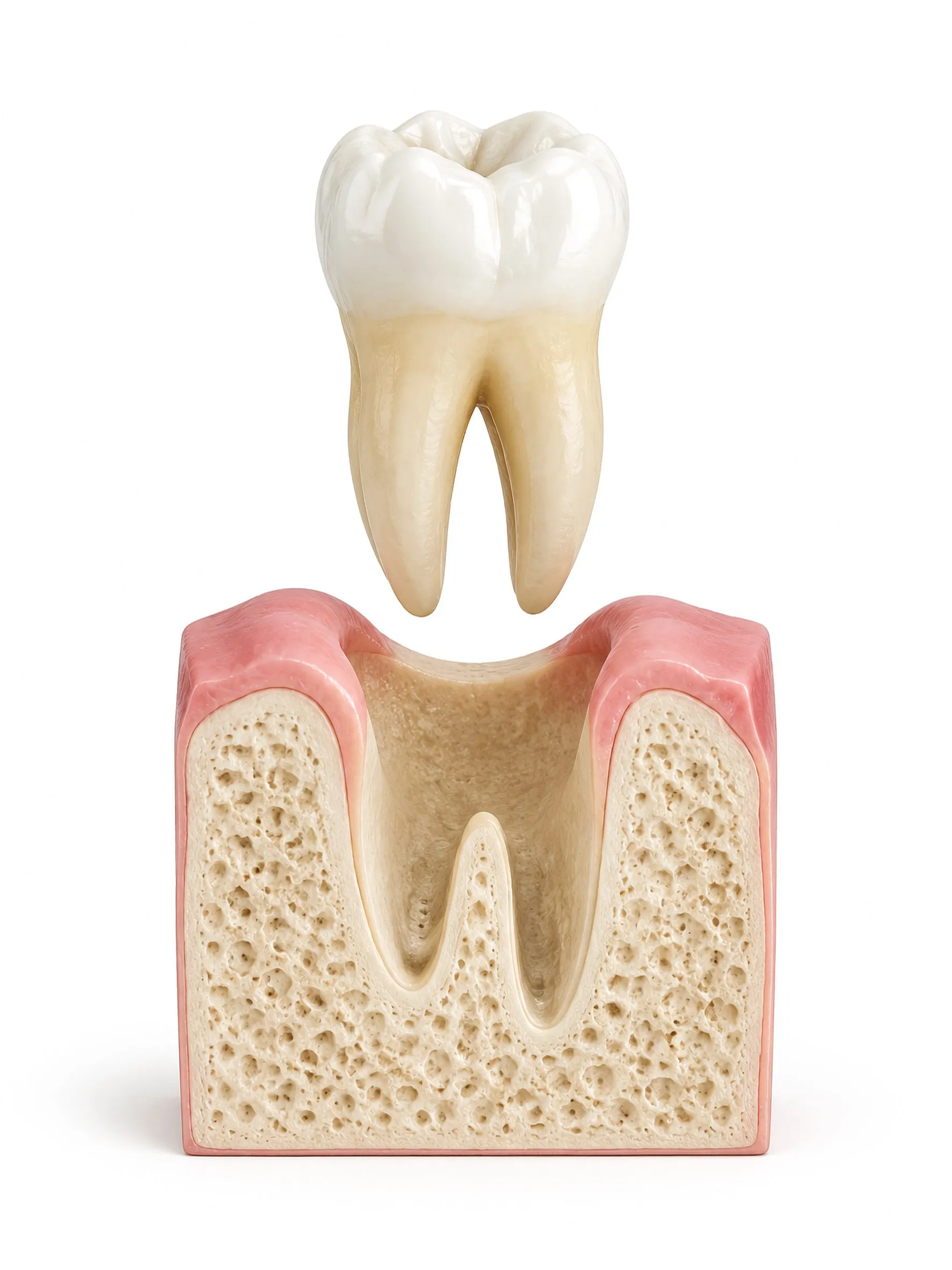
What happens afterward matters just as much. An empty space lets neighboring teeth drift and the bone underneath shrink, so we discuss replacement, including implants and dentures, before the tooth comes out rather than months later. Back molars are their own case, and wisdom teeth removal is planned differently from a tooth nearer the front.

At a Glance

Your Restorative Treatment at a Glance

Comfort
The area is fully numbed and most patients feel pressure rather than pain.
Recovery
Soreness for a few days is normal, and the gum usually closes over within one to two weeks.
Afterward
Avoid smoking, straws, and vigorous rinsing for the first days.
Next step
Replacement does not have to be immediate, but it should be planned.

Who We Help

Is This Right for You?

Removal is the last option we look at, not the first. If any of these apply, we will tell you whether the tooth can still be saved.

  • A tooth is broken below the gum or too decayed to rebuild
  • Severe gum disease has loosened a tooth
  • An infection has not resolved with other treatment
  • A baby tooth is blocking an adult tooth from coming through
  • Crowding means a tooth has to be removed before orthodontic treatment

Your Treatment

What Happens on the Day

  1. Confirming It Is Necessary

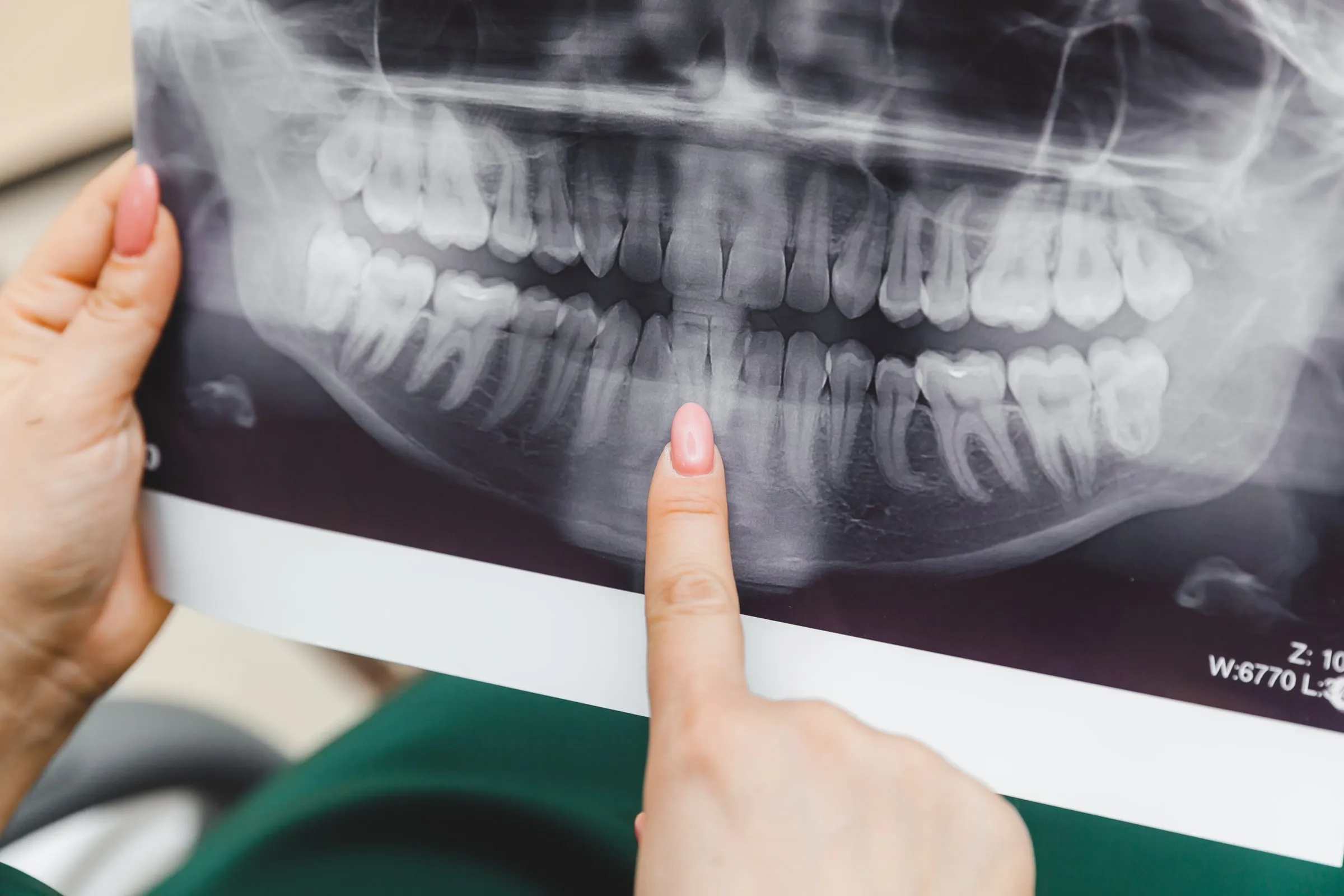
    We image the tooth and review whether it can still be saved. Extraction is only recommended when the alternatives are worse for you.

  2. The Removal

    The area is fully numbed and the tooth is removed as gently as possible, preserving the surrounding bone for whatever comes next.

  3. Protecting the Site

    Where implants are planned, grafting the socket at the same appointment preserves the ridge and often avoids a larger graft later.

  4. Healing and Replacement

    We give you clear aftercare instructions, check the site as it heals, and move forward with the replacement plan agreed beforehand.

After Your Treatment

Tooth Extractions Aftercare and Recovery

Recovery varies from person to person. This is what most patients can expect, and your dentist goes through your own instructions with you before you leave.

The First 24 Hours
Light oozing for the first few hours is normal, and gentle pressure on the gauze is what settles it. Rest with your head raised and skip exercise for the day. Avoid rinsing hard, spitting, smoking, and straws, since all of them can pull away the clot that is protecting the socket.
What to Eat and What to Avoid
Choose soft, cool foods for the first day or two and chew on the opposite side. Avoid crunchy or seedy foods that can work their way into the socket, along with very hot or spicy things. Most people move back toward a normal diet within a few days, guided by comfort rather than a schedule.
Swelling and Discomfort (Edema)
A simple extraction is usually more comfortable than a surgical one, and swelling is often mild. A cold compress on the outside of the face helps during the first day, and gentle warmth is usually better after that. Your dentist will go over what to take before you leave.
How Long Recovery Usually Takes
Most people feel largely back to normal within a few days, though a surgical extraction generally takes longer than a straightforward one. The gum usually closes over the socket within one to two weeks, while the bone underneath keeps filling in for several months. If the tooth is going to be replaced, we will talk about timing, since a single tooth implant or a bone graft placed at the right point can preserve the ridge.
When to Call the Office
Call our office if bleeding does not slow after several hours, if discomfort increases rather than settles after about the third day, or if a bad taste or odor develops. Pain that arrives a few days after the extraction can mean the clot has been lost from the socket, which we can treat. A fever, swelling that keeps growing, or numbness that does not fade are all reasons to call rather than wait.
Dr. Manal Ismail, DDS
Dr. Lakshmi Wakade, DDS
Meet Our Doctors

Your Dentists

The Dentists Who Will Treat You

Your care here is provided by Dr. Manal Ismail, DDS and Dr. Lakshmi Wakade, DDS, both general dentists who trained at the University of Detroit Mercy. Whichever of them you see, nothing starts until you understand what we found, why we are recommending it, and what your alternatives are.

New patients are usually seen within the same week.

Patient Reviews

What Patients Say About Their Care

★★★★★ Google Review

Best dentist experience to date

They take every job with great interest and work in detail. I have done fillings, extractions, cleanings. By far the best dentist experience I have had to date. An excellent dentistry practice even to bring the entire family.


Zacky S.
★★★★★ Google Review

Basically a pain free visit

I haven't been to a dentist in many years. I had a couple teeth broken at the gums. I was terrified for years. Dr. Manal was so sweet and caring. Basically a pain free visit.

Jason W.
Read all reviews on Google

Paying for Restorative Dental Work

Treatment should not wait on the money. Here is how patients cover it.

Most plans cover part of the cost of repairing a tooth, and we confirm what yours covers before any work is scheduled.

Insurance and Financing
  • PPO insurance We accept most major plans
  • We offer it for larger treatment plans
  • We offer it for one course of treatment

Common Questions

Tooth Extractions Questions

Does having a tooth pulled hurt?

The area is fully numbed and most patients feel pressure rather than pain. Soreness for a few days afterward is normal and manageable.

How long does it take to heal?

The gum usually closes over within one to two weeks, while the bone underneath continues filling in for several months.

Should I replace the tooth right away?

Not immediately, but it should be planned. Leaving a gap lets neighboring teeth drift and the bone shrink, which makes later replacement harder.

What should I avoid after an extraction?

Avoid smoking, drinking through a straw, and vigorous rinsing for the first days, since all three can dislodge the clot and delay healing.

What is dry socket and how do I avoid it?

Dry socket is what happens when the blood clot protecting the healing socket is lost too early, leaving bone exposed. It shows up as a deep ache two or three days after the extraction, usually worse than the first day was, sometimes with a bad taste. The three things that dislodge a clot are smoking, suction from a straw, and vigorous rinsing, which is why we ask you to avoid all three at the start. It is treatable and settles quickly once we dress the socket, so call rather than waiting it out.

What can I eat after a tooth is pulled?

Soft, cool, and nothing that needs chewing on that side. Yogurt, eggs, soup that has cooled, mashed potato, and smoothies eaten with a spoon all work well for the first day or two. Skip anything crunchy, seedy, or very hot, and skip the straw. Most patients are eating close to normally within three to five days and back to everything by the time the gum has closed over, which usually takes one to two weeks.

Can I have something to calm my nerves for an extraction?

Yes. We offer sedation with nitrous oxide, also called laughing gas, which you breathe through a small mask during treatment and which wears off before you leave. It takes the edge off without putting you to sleep, so you stay awake and able to respond throughout. It is available to adults and children, and it is not only for surgical visits. Tell our team when you book rather than on the day, so time is set aside for it.

Does insurance cover having a tooth pulled?

Extractions are covered in part by most major PPO plans. We check your benefits before your appointment and explain what applies. The quickest way to get a real answer for your own case is a short conversation. Call us at (248) 863-9109 or book online.

Other Restorative Dentistry Services

See all Restorative Dentistry at Royal Dental Center

Location and Hours

Visit Our West Bloomfield Office

4819 Haggerty Road, West Bloomfield, MI 48323

(248) 863-9109

myroyaldentalcenter@gmail.com

Office Hours

Monday to Friday 9:00 am to 5:00 pm
Saturday 9:00 am to 2:00 pm
Sunday Closed
Call (248) 863-9109 Book Online

Patients often look for