When a tooth hurts badly enough to keep you up at night, there are usually two ways to end it: save the tooth with root canal treatment, or take it out. Both stop the pain. What happens afterward is very different, and which one makes sense depends mostly on how much healthy tooth is left and how firmly the bone still holds it.
Saving the tooth or removing it: what each one does
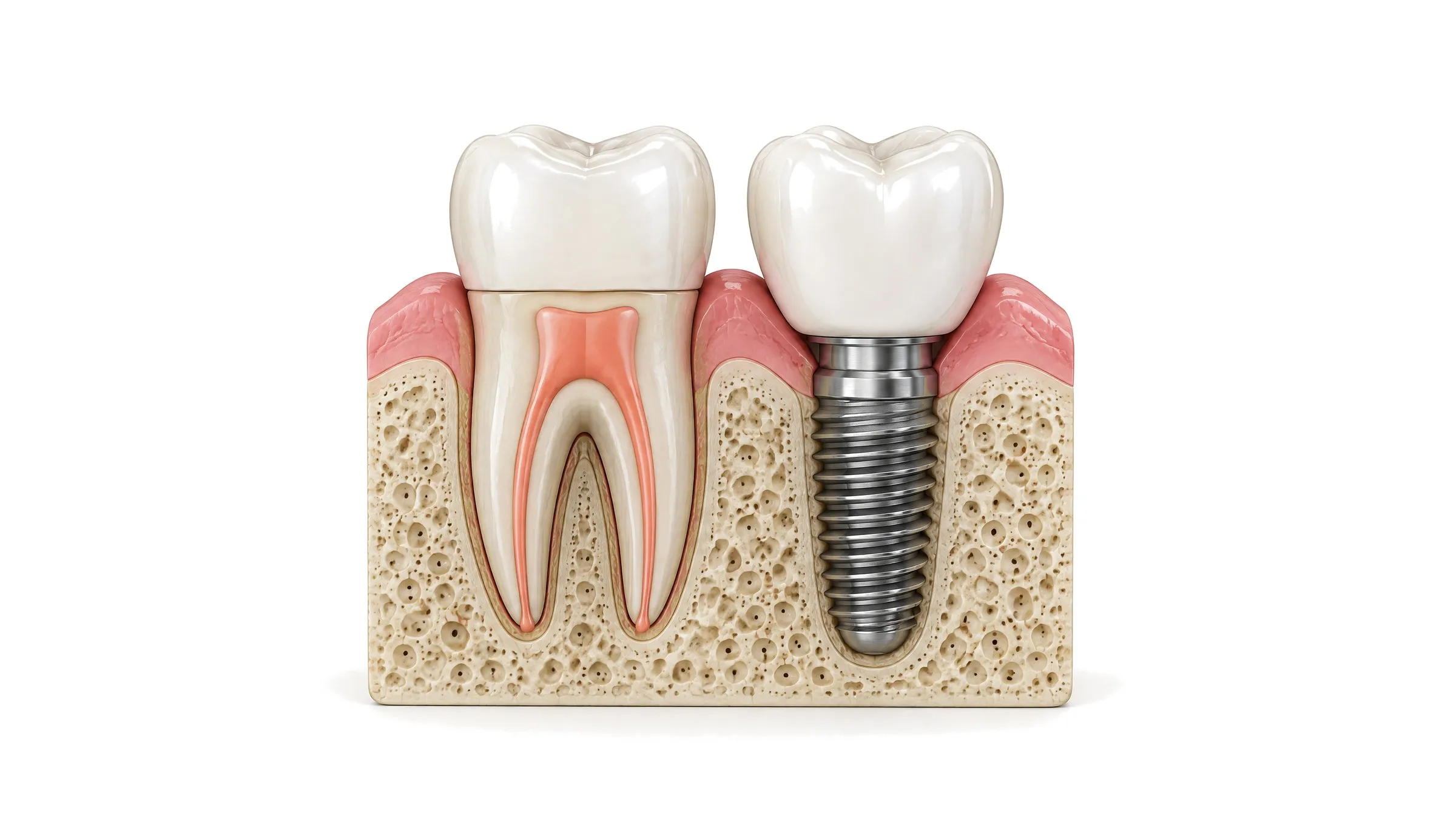
Inside every tooth is the pulp, a soft core of nerve and blood vessels. When decay or a crack lets bacteria reach it, the pulp becomes infected, and that is the deep, throbbing ache. During a root canal I numb the tooth, remove the infected tissue, then clean, shape and seal the canals so bacteria cannot get back in. The tooth stays in your mouth, its root stays in the bone, and a crown goes on afterward to protect it.
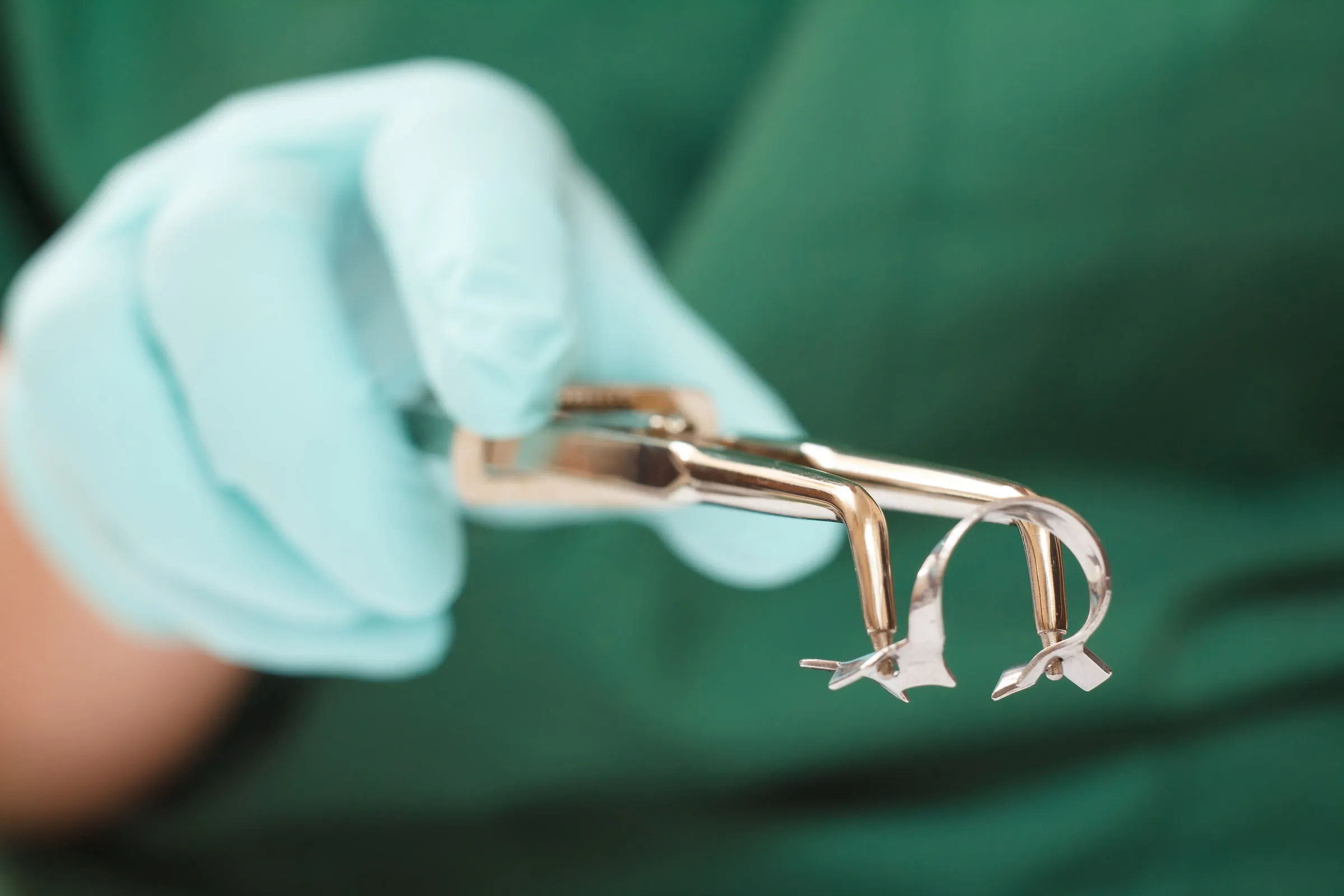
An extraction removes the whole tooth, root and all. The area is fully numbed, and most patients feel pressure rather than pain. It ends the infection by taking away the tooth that holds it, and it leaves a space that needs a plan.
Two paths for a painful tooth
A painful tooth
Decay or a crack has let bacteria reach the pulp, the nerve inside the tooth.
Save the tooth
Root canal and crown
-
1Cleaned and sealed
With the tooth numbed, the infected pulp is removed and the canals are cleaned and sealed.
-
2Crown fitted
A crown covers the treated tooth so it does not crack. We fit it here, in the same office.
Where you end up Your own tooth, its root still in the bone, protected by a crown.
Take it out
Extraction and replacement
-
1Tooth taken out
With the area numbed, the whole tooth is removed, root and all.
-
2Socket protected
When an implant is planned, the socket is often grafted at the same visit to keep the bone.
-
3Healing
The gum closes in one to two weeks. The bone fills in over several months.
-
4Replaced
Most often an implant with a crown. A bridge or a partial denture are the other options.
Where you end up A replacement tooth on an implant, a bridge or a partial denture.
When I recommend saving the tooth
I look at three things. Is there enough healthy tooth left to hold a crown? Are the bone and gum around the root still holding it firmly? And if there is a crack, has it stayed above the root? When the answer to all three is yes, a root canal and a crown will usually give that tooth many more years, and I will almost always recommend saving it. When your own tooth stays, so does the bone around it, and the teeth beside it stay where they are. I also listen to you, because your health, your schedule and how you feel about the treatment all count.
The worry I hear most is that a root canal will hurt. Most of what people remember is the pain of the infection before the treatment, not the treatment itself. The tooth is fully numbed, and most patients tell me it felt like having a filling, only longer. It is normal for the tooth to feel tender when you bite for a few days afterward, but the deep ache you came in with is usually gone right away.
The second worry is whether the tooth will last. A tooth becomes more brittle after a root canal, which is why a back tooth almost always needs a crown. With the crown on, it can last for many years. The crown is the part people should not skip.
From Dr. Manal Ismail
Your own tooth is still the best tooth you can have. If it can be saved and it will last, I will almost always recommend saving it.
 Dr. Manal Ismail, DDS
General Dentist
When the tooth is better taken out
Some teeth cannot be saved, and a root canal on them would only delay losing them. I advise taking the tooth out when it has split down into the root, when decay has left too little of it to hold a crown, or when gum disease or infection has destroyed so much of the bone around it that the tooth is loose.
In those cases I would rather plan the replacement properly from the start. Before a tooth comes out, we talk about how and when to replace it, so the gap is never an afterthought. If an implant is likely, the socket can often be grafted at the same appointment, which protects the bone and often avoids a larger graft later.
Waiting makes all three of those more likely. An infected tooth does not heal on its own, and pain that has faded usually means the nerve has died while the infection carries on. A tooth that can be saved today may not be savable a few months from now. If the pain has eased but the tooth still feels different, have it checked.
What comes after each choice
After a root canal, the tooth needs a crown, especially a back tooth. We fit it here, in the same office, so the tooth is protected before it has a chance to crack. After that it is a normal tooth to look after, with brushing, flossing and your regular checkups.
After an extraction, the gum usually closes over in one to two weeks, and the bone underneath keeps filling in for several months. The space should not stay empty for long, because the teeth beside it drift and the bone shrinks, and both make a replacement harder later. There are three ways to fill it:
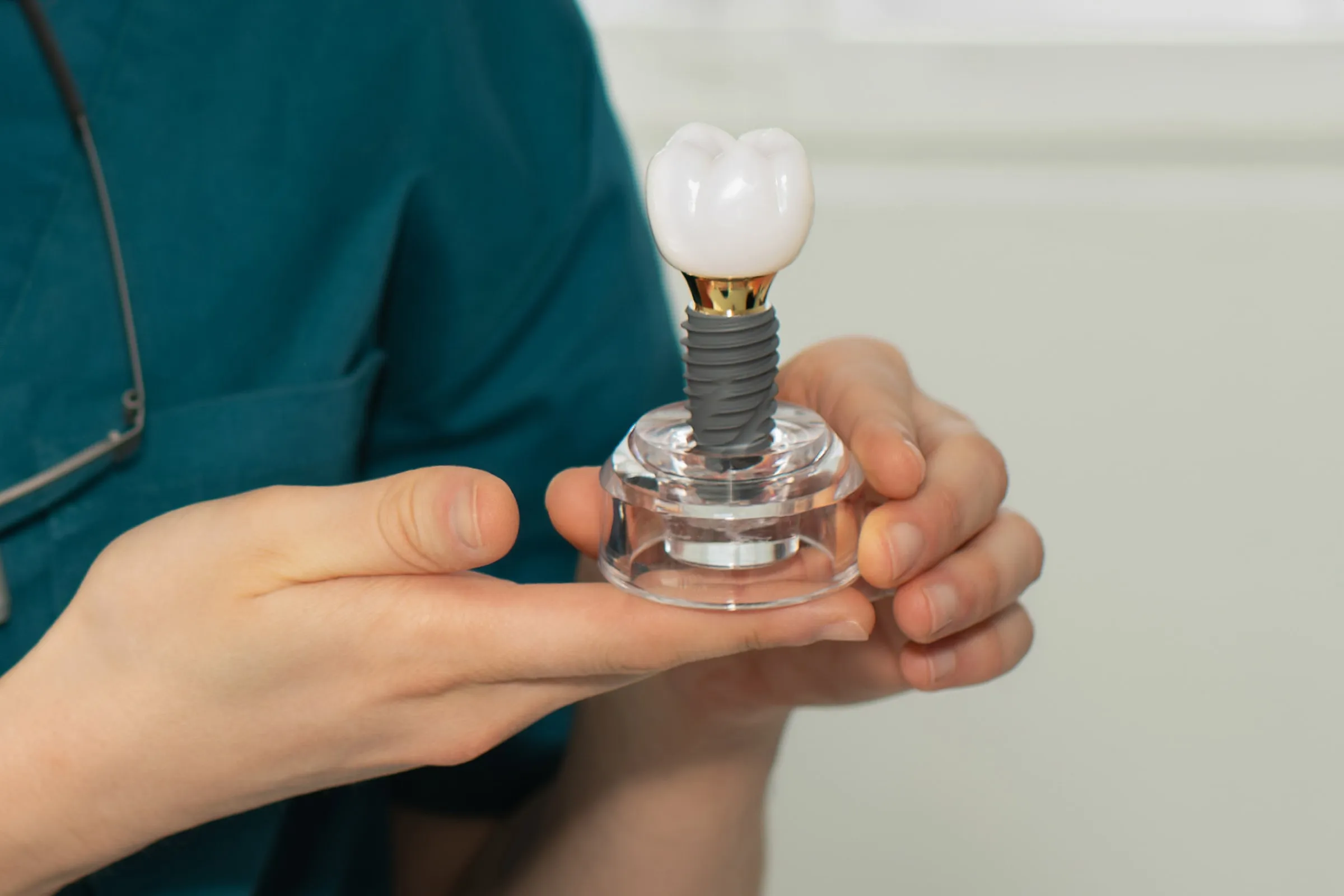
- A dental implant: a titanium post in the bone that carries a new crown. It replaces the root as well as the tooth, which helps keep the bone, and it leaves the teeth beside it untouched. We place and restore implants here, in one office.
- A bridge: a replacement tooth held by crowns on the teeth on either side, which means shaping those teeth down.
- A partial denture: a removable plate that can replace one tooth or several.
| Root canal and crown | Extraction and replacement | |
|---|---|---|
| What stays | Your own tooth and its root | Nothing of the old tooth |
| On the day | The tooth is numbed, cleaned out and sealed | The tooth is numbed and taken out |
| Healing | Tender to bite on for a few days | Gum closes in one to two weeks, bone fills in over months |
| What comes next | A crown to protect the tooth | An implant, a bridge or a partial denture |
| Your jawbone | Kept, because the root stays | Shrinks if the gap is left, an implant helps keep it |
| Teeth beside it | Stay where they are | Can drift into an empty gap |
What changes the cost over time
Taking a tooth out is usually quicker on the day, and it costs less on the day too. That is the comparison most people make, and it leaves out what comes next. A missing tooth rarely stays missing for long, because the gap causes problems of its own, so most people go on to replace it. Compare the whole path instead.
Saving the tooth means the root canal plus the crown that protects it. Which tooth it is makes the biggest difference, because a front tooth usually has one canal and a back molar can have three or four.
Taking it out means the extraction, a bone graft if an implant is planned, and then the replacement itself, whether that is an implant with its crown, a bridge or a partial denture.
Insurance usually covers part of a root canal and part of an extraction, and often part of the crown and the replacement. We check your benefits before treatment, so you know what your plan covers for each choice before you decide.
Who does your root canal here
Root canal treatment is part of general dentistry, and I do it myself, here in our office on Haggerty Road, often the same day you come in. We diagnose the tooth, treat it and fit the crown afterward, all from one set of records, so you are not sent to a second office. When a tooth cannot be saved, we take it out here too, and the implant that replaces it is placed and restored here as well.
If the tooth is hurting now, you do not need to have decided anything before you call. Tell us what is going on, and we will see you the same day. We are open on Saturdays from 9:00 am to 2:00 pm as well as weekdays. If the pain is severe or there is swelling, my article on where to go for tooth pain covers the warning signs that mean the emergency room first.
Not sure whether your tooth can be saved?
An exam and an X ray answer it. If the tooth hurts now, we will see you the same day and talk through both options before anything is done.